5 Best Metal Materials for Luxury Cufflinks
Table of Contents
- Sterling Silver Cufflinks: The Foundation of Luxury
- Vermeil Cufflinks: Gold Plating on Sterling Silver
- Gold Cufflinks: Precious Metal Permanence
- Platinum and Titanium: High-Performance Alternatives
- Comparison Table: Metal Durability, Price, and Best Use
- How to Clean Silver Cufflinks and Maintain Metal Finish
- Choosing the Right Metal: Occasion, Skin Sensitivity, and Lifecycle Value
- Frequently Asked Questions
Last Updated: October 18, 2026
Sterling Silver Cufflinks: The Foundation of Luxury
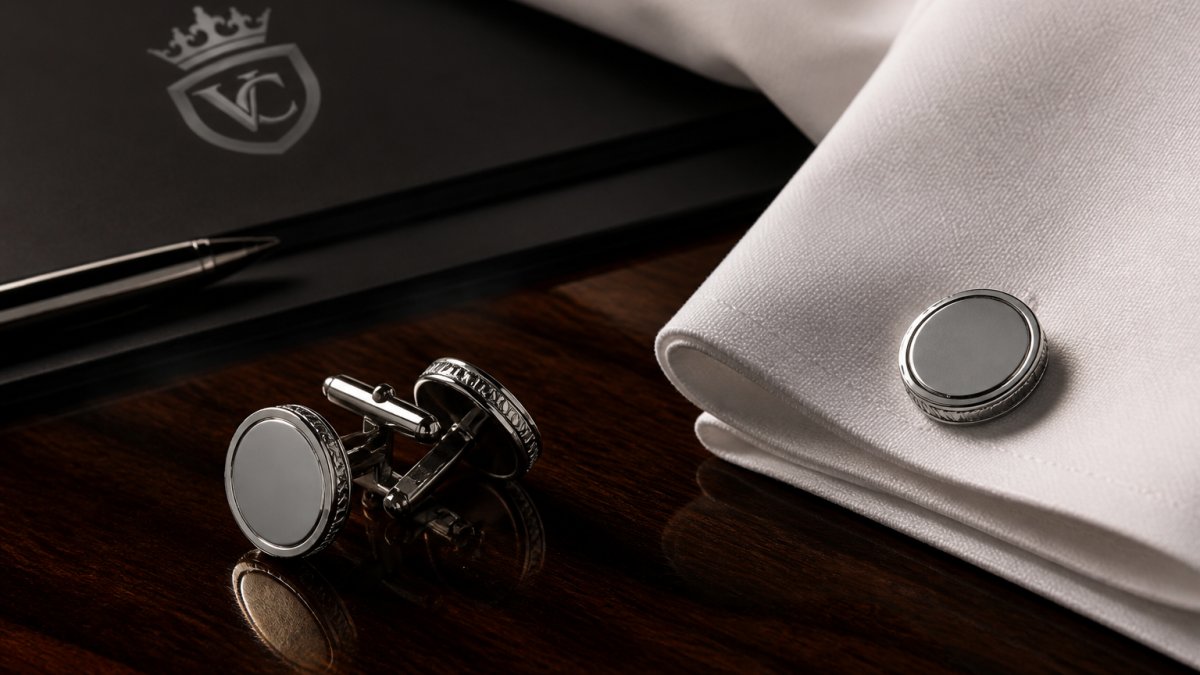
Sterling silver has defined luxury cufflinks for centuries, and the 5 best metal materials for luxury cufflinks start here, with silver as the benchmark.
Sterling silver is 92.5% pure silver, with the remaining 7.5% typically copper or other metals for structural integrity (Buying Platinum, Gold, and Silver Jewelry).
Sterling silver's primary advantage is versatility: it polishes to a brilliant shine for black-tie events yet works equally well in business settings. Unlike base metals that tarnish unpredictably, sterling silver tarnishes uniformly and predictably, making it easy to clean and restore.
One honest limitation: sterling silver requires periodic maintenance. Air and humidity cause oxidation, so frequent wearers should clean every few months; occasional wearers can polish annually. This is simply the nature of genuine silver.
Vermeil Cufflinks: Gold Plating on Sterling Silver
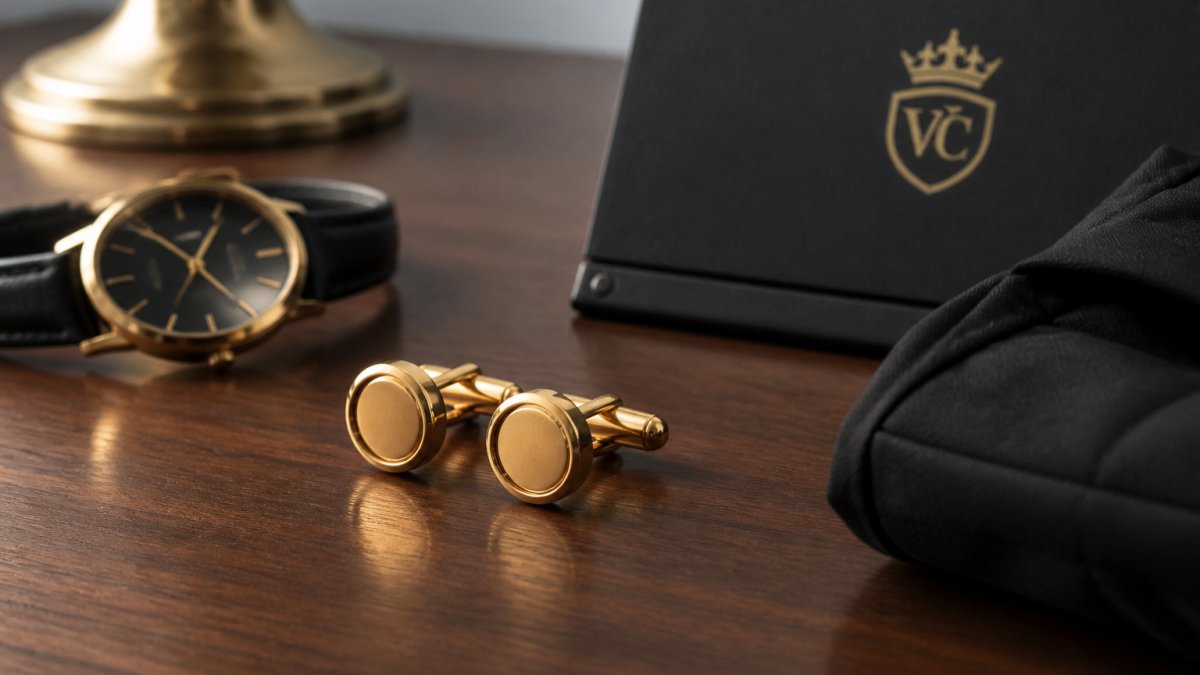
Vermeil bridges pure silver and solid gold. The 5 best metal materials for luxury cufflinks include vermeil because it delivers gold's visual warmth without solid gold's expense.
Vermeil cufflinks catch light with a golden glow that reads as luxury in formal settings. For professionals who want accessories that signal refinement without announcing expense, vermeil is the practical choice.
The VALCREST™ Heritage British Shilling Cufflinks exemplify this approach. Vintage British shilling coins mounted in sterling silver bezels with 18-karat gold vermeil create pieces that combine historical authenticity with contemporary elegance.

The trade-off is plating durability: the gold layer wears through after 5 to 10 years of frequent wear. This is not failure but the nature of plating.
Gold Cufflinks: Precious Metal Permanence
Solid gold cufflinks represent the pinnacle of the 5 best metal materials for luxury cufflinks for those seeking permanence. Unlike plated options, solid gold does not wear away, tarnish, or require replating.
The most common gold in fine cufflinks is 18-karat, 75% pure gold mixed with other metals for durability. 14-karat gold, at 58.3% pure, is more durable but appears slightly less yellow.
Gold cufflinks command higher prices than sterling silver or vermeil, but for measurable reasons.
Gold projects warmth and formality; silver projects crispness and modernity. Neither is superior; the choice depends on skin tone, wardrobe, and the message you intend to send. Warm undertones often flatter gold, cool undertones silver.
Platinum and Titanium: High-Performance Alternatives
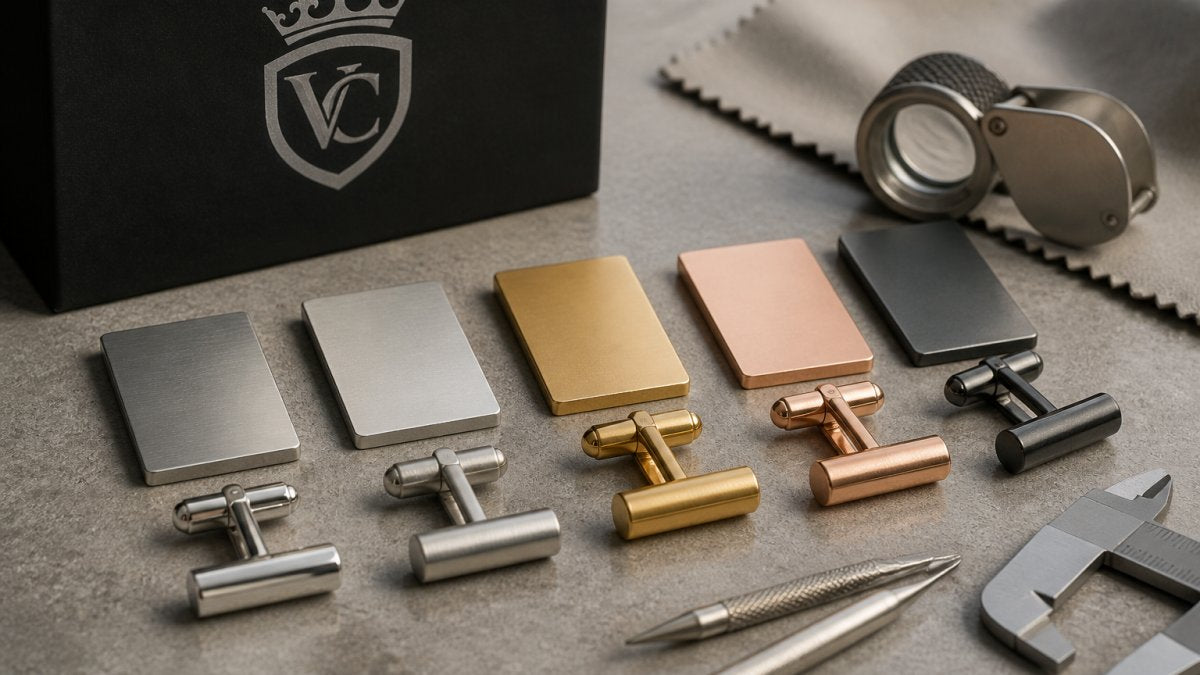
Platinum and titanium occupy a different category within the 5 best metal materials for luxury cufflinks. They are chosen for technical properties rather than tradition or visual warmth, and each rewards a different kind of buyer.
Platinum: Density, Purity, and Permanence
Platinum is the rarest and most durable precious metal used in fine jewelry. In the United States, platinum jewelry is typically 95% pure (marked 950Plat or Plat950), with the balance being other platinum-group metals such as iridium or ruthenium (Buying Platinum, Gold, and Silver Jewelry).
The drawbacks are practical. Platinum's high melting point and resistance to conventional soldering require specialized equipment and expertise, which limits the pool of craftspeople and drives up cost. Platinum cufflinks typically run 2 to 3 times the price of equivalent gold.
One underappreciated property: platinum does not lose metal when it scratches. Instead, the metal displaces and forms a burnished patina that many collectors prefer to a mirror polish.
Titanium: Lightweight Durability for Sensitive Skin
Titanium enters from the opposite direction: not a precious metal but an industrial material prized for durability and lightness. It is roughly 45% lighter than steel and about 40% lighter than gold of the same volume, so a titanium cufflink feels almost weightless. It is hypoallergenic, scratch-resistant, and will not tarnish or corrode, offering genuine advantages for nickel-sensitive wearers or those in demanding environments.
The limitation is aesthetic: titanium cannot be polished to the mirror-like finish of silver, gold, or platinum. It reads as modern and industrial, appropriate for contemporary settings but potentially out of place at black-tie events. It is also difficult to resize or repair, requiring specialized welding, so damaged pieces are often replaced.
Verifying What You Are Buying
Because platinum and titanium command premium prices, authentication matters. In the United States, the FTC Guides for the Jewelry, Precious Metals, and Pewter Industries require accurate marking of precious metal content. Look for a stamp inside the post or backing: "950Plat," "Plat950," or "Platinum" for platinum; "Ti" for titanium. A stamp alone is not proof, so buy from a jeweler who provides a written description and a return policy. For platinum, a density check can distinguish solid platinum from platinum-plated white gold, a common substitution.
Executive Crown Sterling Silver Cufflinks →
Comparison Table: Metal Durability, Price, and Best Use
| Metal | Durability | Maintenance | Best For | Approximate Price Range |
|---|---|---|---|---|
| Sterling Silver | High with care | Regular polishing | Business and formal occasions | $200-$350 |
| Vermeil | Moderate (5-10 years) | Occasional cleaning, replating | Those seeking gold warmth without expense | $225-$400 |
| 18K Gold | Permanent | Minimal | Heirlooms and daily luxury wear | $800-$2,500 |
| Platinum | Permanent | Minimal | Collectors and metal-sensitive wearers | $2,500-$5,000+ |
| Titanium | Permanent | None | Active professionals with sensitivities | $150-$300 |
The VALCREST™ Executive Crown Cufflinks at $229.00 represent sterling silver at its most refined, polished to brilliance with our signature crown design. The Heritage British Shilling Cufflinks at $249.00 showcase vermeil's warmth and character. The Founder's Edition Shield Cufflinks at $329.00 combine sterling silver with 18-karat gold vermeil for those seeking the visual richness of gold with the craftsmanship of silver.

How to Clean Silver Cufflinks and Maintain Metal Finish
Maintenance is where the five metals diverge most sharply, and it is the area most buying guides skip. A cufflink that is easy to clean and repair on year ten is a better luxury purchase than one that looks brilliant on day one.
Sterling Silver: Predictable Tarnish, Easy Restoration
Sterling silver tarnishes when it reacts with sulfur compounds in the air, a process that accelerates in humid environments or near wool, rubber, and certain papers. Wipe with a soft microfiber cloth after wearing. For deeper cleaning, use warm water with mild dish soap, scrub gently with a soft brush, rinse with distilled water, and dry immediately with a lint-free cloth. For stubborn tarnish, use commercial silver polish in gentle circular motions; avoid abrasives. Store in a dry, airtight container with silica gel.
Sterling silver is also the most repairable of the five metals. A jeweler can re-polish, re-tip posts, and re-solder broken fittings without difficulty. Each polishing removes a microscopic layer of silver, so reserve professional polishing for occasional deep cleans.
Vermeil: Protect the Gold Layer
Vermeil follows the same cleaning protocol as sterling silver, but avoid abrasive polishes on the plated surface. When plating wears through after 5 to 10 years of frequent wear, professional replating restores the piece at far less than replacement cost. Ask before purchase whether the maker offers replating, and confirm the plating thickness: legal vermeil in the United States requires at least 2.5 microns of gold over sterling silver.
Solid Gold and Platinum: Minimal Care, High Repairability
Solid 18K gold and platinum need only occasional cleaning with soap, water, and a soft cloth. Neither tarnishes. Both can be re-polished, though platinum tolerates repeated polishing better because it displaces rather than loses metal. Repairs are straightforward for a skilled jeweler; the main risk is loss, not wear.
Titanium: Low Maintenance, Limited Repair
Titanium requires no polishing and will not tarnish; clean with soap and water. The trade-off is repairability: it is difficult to solder and weld with conventional tools, so damaged pieces are often replaced. Buy titanium from a maker with a clear warranty and replacement policy.
Authentication and Hallmarks
Whatever the metal, verify the hallmark. In the United States, the FTC Guides for the Jewelry, Precious Metals, and Pewter Industries require accurate marking of precious metal content. Common marks include "925" or "Sterling" for sterling silver, "18K" or "750" for 18-karat gold, "14K" or "585" for 14-karat gold, and "950Plat" or "Plat950" for platinum. A hallmark is a claim, not a guarantee, so buy from sellers who provide a written description and a return policy. For plated pieces, ask for plating thickness in microns; anything under 2.5 microns for vermeil will wear quickly.
Choosing the Right Metal: Occasion, Skin Sensitivity, and Lifecycle Value
The 5 best metal materials for luxury cufflinks serve different needs. Selecting the right one requires honest assessment of how you will wear your cufflinks and what matters most.
Occasion and frequency matter. If you wear cufflinks daily or multiple times weekly, sterling silver or vermeil suffices; the patina that develops becomes part of the piece's character.
Skin sensitivity changes the equation. Nickel is a common allergen and a hardening agent in some base metal cufflinks.
Lifecycle value is the honest measure. A $229.00 pair of VALCREST™ sterling silver cufflinks worn twice weekly for 30 years costs roughly $0.07 per wear.
Consider the emotional value too. Heirloom pieces you intend to pass to a son or grandson demand solid precious metals.
Selecting the right metal requires balancing aesthetics, durability, maintenance tolerance, and lifecycle value. Each metal tells a different story; choose the one that aligns with your standard of discipline and leadership. Shop the Collection and discover the metal that becomes part of your daily uniform.
Frequently Asked Questions
What metal is best for luxury cufflinks?
Sterling silver and 18-karat gold are the gold standards for luxury cufflinks. Sterling silver offers timeless elegance, durability, and a refined appearance at moderate cost. Gold cufflinks provide permanence and prestige but command higher prices. Vermeil, sterling silver with 18k gold plating, combines the best of both: the substance of solid silver with the warm aesthetic of gold.
Are sterling silver cufflinks good quality?
Yes. Sterling silver (92.5% pure silver) is the industry standard for fine cufflinks because it balances durability, workability, and value. It resists corrosion better than pure silver, and develops character over time. Sterling silver cufflinks from established makers hold their form and appearance through decades of use, making them excellent heirlooms.
What does vermeil mean in cufflinks?
Vermeil is sterling silver bonded with a layer of 18-karat gold plating (at least 2.5 microns thick). This construction gives cufflinks the warm, luxurious appearance of solid gold while using less precious metal, reducing cost. Vermeil cufflinks offer durability and can be replated when the gold layer wears, making them a practical choice for frequent formal wear.
How do I clean and care for silver cufflinks?
Clean sterling silver cufflinks monthly with a soft microfiber cloth. For tarnish, use a silver polishing cloth or mild silver cleaner, following product instructions. Avoid harsh chemicals and abrasive scrubbing. Store cufflinks in an airtight pouch or box to slow tarnishing. For vermeil cufflinks, avoid prolonged soaking and use gentler cleaning methods to preserve the gold plating.
Do stainless steel or titanium cufflinks tarnish?
No. Stainless steel and titanium are highly corrosion-resistant and do not tarnish. However, they lack the prestige and craftsmanship associations of precious metals. For luxury cufflinks intended as heirlooms or symbols of leadership, sterling silver, gold, and vermeil are preferred because they age with character and can be passed down across generations.