Minimalist Professional Style Guide for Men
Table of Contents
- What Minimalist Professional Style Means for Men
- Building Your Men's Professional Wardrobe Essentials
- The 3-3-3 Clothing Rule for Men Explained
- Men's Business Casual Outfit Ideas and Formulas
- Timeless Men's Accessories That Elevate Your Look
- Quality Over Quantity: Durability and Cost Per Wear
- Maintaining Your Minimalist Professional Wardrobe
- Frequently Asked Questions
Last Updated: October 10, 2026
What Minimalist Professional Style Means for Men
A minimalist professional style is the practice of building a refined wardrobe around a limited number of versatile, high-quality pieces that work together seamlessly. Rather than chasing trends or accumulating clothes, this approach prioritizes intentional choices: classic silhouettes, neutral colors, and timeless fabrics that last for years.
For the modern professional, minimalist professional style solves a real problem: you eliminate daily decision fatigue, coordinate pieces effortlessly, and avoid clothes that feel dated after one season.
The philosophy rests on three pillars: intentionality, quality, and versatility. You choose each piece deliberately, invest in materials that endure, and ensure every item works with multiple others. This isn't about deprivation, it's about clarity. When every piece serves a purpose and coordinates, getting dressed becomes effortless.
Building Your Men's Professional Wardrobe Essentials
Most men need 15-20 core items to cover all professional scenarios. The key is selecting pieces that layer, coordinate, and transition across seasons and formality levels.
Core Pieces Every Man Needs
Start with these foundational items. They form the backbone of every outfit you'll build:
Dress shirts. You need three: white, light blue, and a subtle pattern. Choose oxford cloth or quality cotton blend that holds its shape. Fit matters more than quantity, a well-fitted shirt outperforms three poorly-fitted ones.
Trousers and chinos. Two pairs of charcoal or navy trousers for formal situations, two pairs of khaki chinos for business casual. Choose a clean, tapered fit with a slight break at the shoe.
Dark-wash jeans. One pair of quality denim in indigo or charcoal. These bridge business casual and weekend wear. Raw denim or selvedge options develop character over time, but a standard dark wash works equally well if the fit is right.
Navy blazer. Non-negotiable. Works with dress shirts, chinos, and jeans. Choose classic cut: single-breasted, notch lapels, two buttons, medium weight fabric.
Knitwear. Two sweaters: crew-neck in charcoal or navy, V-neck in neutral. Merino wool or quality cotton blends resist wrinkles and odor.
Footwear. Three styles: polished oxfords in black or dark brown for formal events, loafers for business casual, minimal trainers in white or neutral for smart casual.
Neutral Colors and Limited Palettes
Restrict your palette to five colors maximum: white, navy, charcoal, light blue, and one accent (camel, olive, or burgundy). Every piece you own should coordinate with at least two others in this palette.
Neutral colors are versatile, photograph well, and age gracefully. A navy blazer from five years ago still looks current; a bright teal shirt feels dated. Neutrals make mixing and matching automatic.
Use your accent color sparingly, one sweater, tie, or pocket square, to prevent monotony while maintaining the cohesion that makes minimalist professional style work.
The 3-3-3 Clothing Rule for Men Explained
The 3-3-3 clothing rule for men is a practical framework: three base colors, three secondary colors, and three accent pieces. This ensures every item coordinates while keeping your total count low.
Base colors (your foundation): white, navy, charcoal, 60-70% of your wardrobe. Secondary colors (your flexibility): light blue, khaki, grey. Accent pieces (your personality): a camel overcoat, burgundy tie, or brown leather belt, appearing in one or two items maximum.
With nine colors, you create dozens of outfit combinations. A white shirt + navy trousers + charcoal blazer is one outfit; the same white shirt + khaki chinos + camel sweater is another.
Men's Business Casual Outfit Ideas and Formulas
Business casual is the most common professional dress code, and it's where minimalist professional style delivers the most value. You're not bound by formal suit rules, but you can't wear jeans or t-shirts. This middle ground is where intentional choices shine.
Outfit Combinations by Occasion
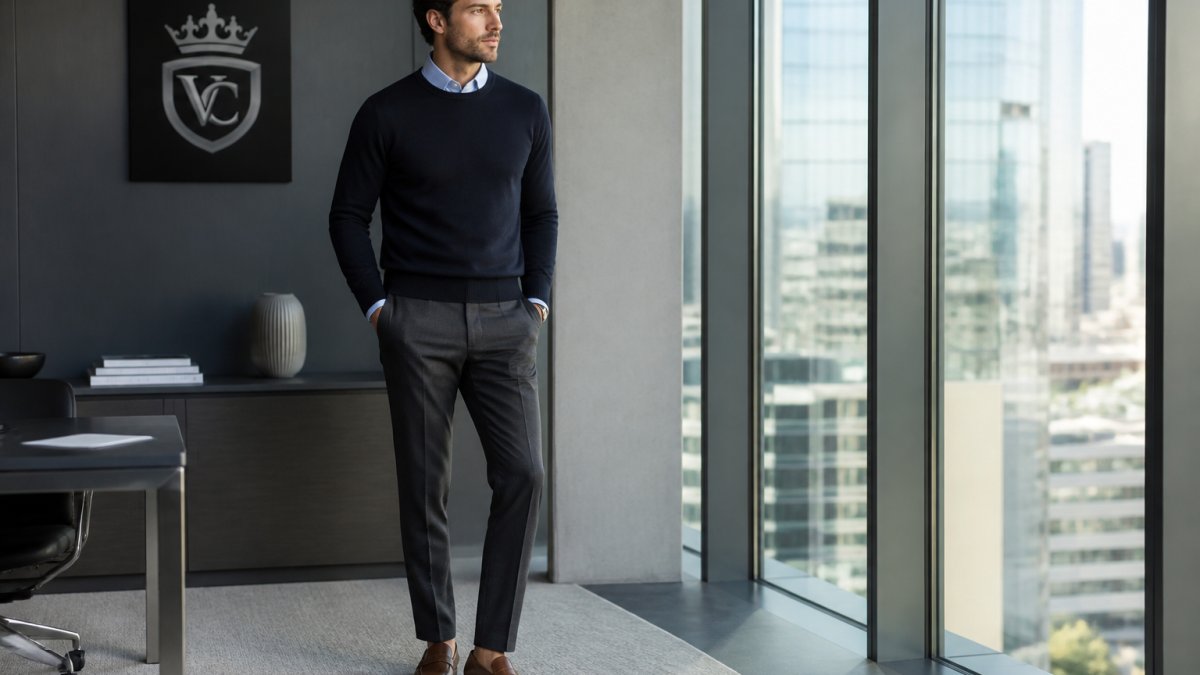
The Standard Business Casual Formula: Light blue dress shirt + charcoal trousers + brown loafers. The light blue softens formality while charcoal keeps it professional.
The Elevated Casual Formula: White dress shirt + khaki chinos + navy sweater (layered) + minimal trainers. Works for creative industries; signals professionalism without stiffness.
The Smart Casual Formula: Dark-wash jeans + white t-shirt + navy blazer + Derby shoes. The blazer elevates jeans from weekend to professional.
The Monochrome Formula: Charcoal trousers + charcoal sweater + white shirt (collar visible) + black oxfords. Creates visual continuity and projects maximum polish.
Fit, Structure, and Tailoring
Fit is where most men fail. Structure, how a garment holds its shape, matters as much as color or material.
Shirt fit. Shoulder seam at your shoulder point, sleeves ending at wrist bone with half-inch cuff visible, torso tapering slightly at waist without pulling.
Trouser fit. Waist at natural waist, rise long enough you're not pulling them up, break slight, just touching the top of your shoe.
Blazer fit. Shoulder seam aligns with your shoulder. Jacket closes comfortably with room for a flat hand between jacket and chest. Sleeves end half-inch above wrist.
Tailoring is an investment that pays dividends. A $80 shirt tailored to fit perfectly looks better than a $200 shirt that fits poorly. Budget 10-15% of your clothing spend for tailoring. A good tailor can adjust sleeve length, taper the torso, and adjust the rise of trousers.
Timeless Men's Accessories That Elevate Your Look
Accessories are where minimalist professional style becomes distinctive. A well-chosen accessory signals attention to detail and refinement. It's the difference between looking competent and looking authoritative.
The minimalist approach to accessories is restraint: wear one or two per outfit, never more. This selectivity makes each piece matter.
The watch. A single watch in stainless steel or leather strap, 38-42mm dial with simple face, reads as refined and works with everything.
The belt. One leather belt in brown or black with simple, functional buckle. Width: 1.25-1.5 inches.
The tie. One or two ties in solid colors or subtle patterns (navy, burgundy, charcoal). Silk holds shape better. Width: 2.75-3.25 inches.
The Power of Quality Cufflinks
Cufflinks separate intentional dressing from accident. Visible only when sleeves are rolled, they communicate volumes about your standards.
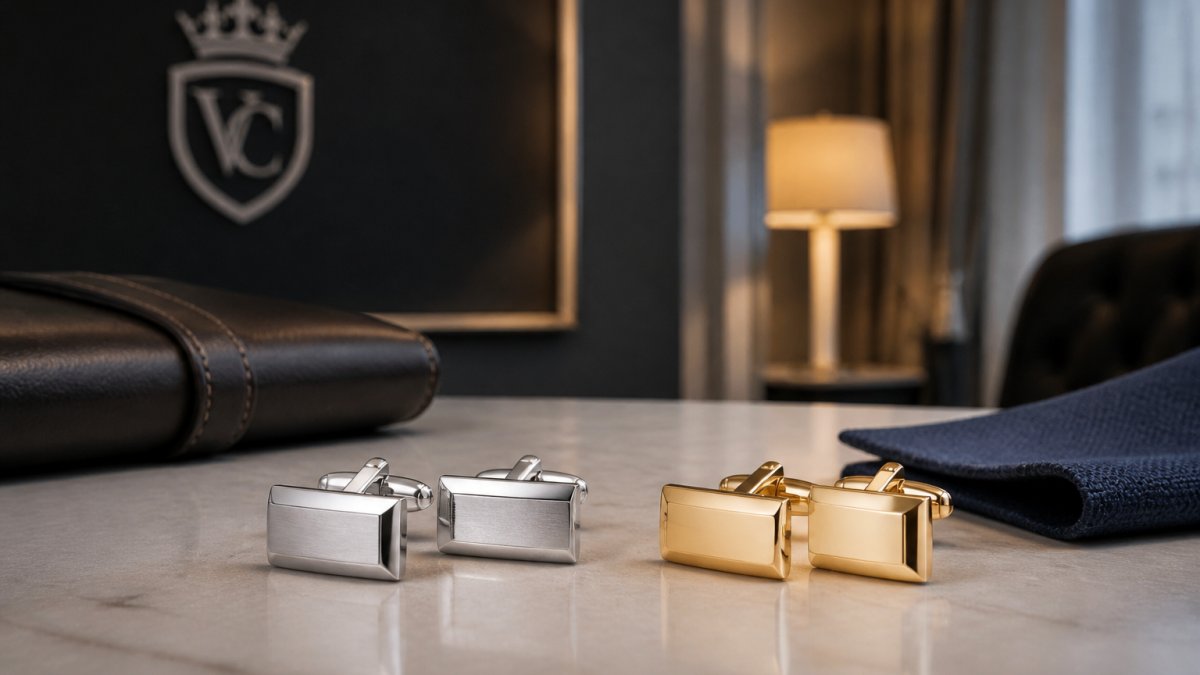
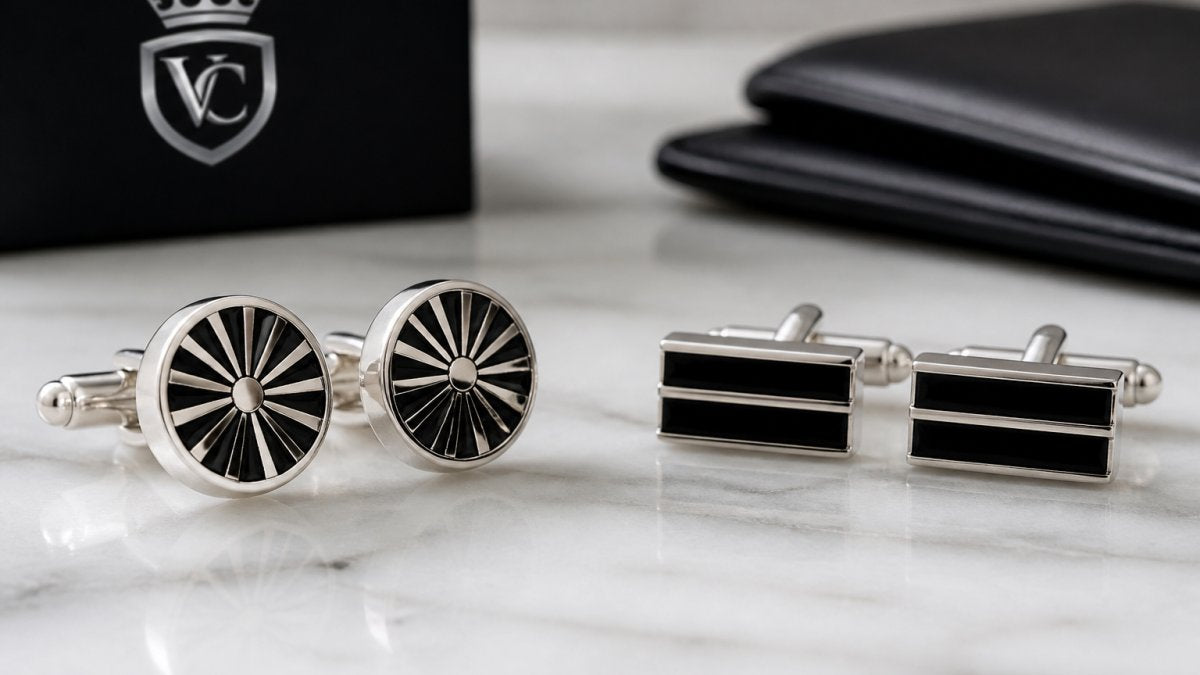
A quality cufflink holds your cuff closed while making a quiet statement about craftsmanship. The Executive Crown Cufflinks, crafted in sterling silver with polished precious metal tones, work with formal wear and elevated business casual, built to outlast trends.

Sterling silver and vermeil develop patina over time and feel heavier than plated alternatives, signaling quality.
For a minimalist wardrobe, own one pair of cufflinks in silver or gold (depending on your other metals, watch, belt buckle). This single pair works with all your dress shirts.
The Heritage British Shilling Cufflinks take a different approach, incorporating authentic vintage British coins into a custom VALCREST™ bezel. Each pair is unique, and the historical element adds narrative.
Quality Over Quantity: Durability and Cost Per Wear
The minimalist professional style argument ultimately rests on cost per wear. A $200 shirt you wear 100 times costs $2 per wear.
This framework changes how you shop.
Quality fabrics last longer. A merino wool sweater resists pilling and odor. High-thread-count cotton dress shirts soften with washing instead of degrading. Leather shoes develop patina and can be resoled.
Construction matters equally. Shirts with reinforced seams and quality buttons survive dozens of washings. Trousers with double-stitched inseams and reinforced stress points outlast cheaply made alternatives.
The minimalist approach also means fewer laundry cycles. You own fewer pieces, so each gets worn more frequently and washed less often. Fewer washes mean longer life.
Calculate cost per wear for your current wardrobe. You'll likely find that your most expensive pieces are your best investments. This justifies the shift toward quality over quantity.
Maintaining Your Minimalist Professional Wardrobe
A minimalist wardrobe requires maintenance discipline. With fewer pieces, each one matters more.
Washing and care. Dress shirts should be washed after 2-3 wears, not after every wear.
Use cold water for colors and warm water for whites. Hang-dry dress shirts when possible; machine drying degrades fabric faster.
Storage. Invest in wooden hangers for blazers and dress shirts. Plastic hangers leave marks and degrade over time.
Repairs. A loose button or small tear should be repaired immediately. A loose seam becomes a major rip if ignored.
Shoe care. Clean leather shoes after each wear with a soft cloth. Use shoe trees to maintain shape and absorb moisture.
Cufflink maintenance. Sterling silver and vermeil cufflinks develop a natural patina, which many men prefer.
Building a minimalist professional style requires intentionality, but the payoff is significant. You project authority through consistency.
Frequently Asked Questions
What is the 3-3-3 clothing rule for men?
The 3-3-3 rule is a minimalist wardrobe framework: own 3 pairs of trousers, 3 dress shirts, and 3 sweaters or knitwear pieces as your foundation. These interchangeable pieces create multiple outfit combinations while keeping your wardrobe compact and intentional. By selecting neutral colors and classic styles, you can coordinate these nine items into dozens of professional looks, reducing decision fatigue and wardrobe clutter.
How do men build a minimalist professional wardrobe?
Start by selecting a neutral color palette, navy, charcoal, white, and gray, then invest in quality essentials: two pairs of trousers, two dress shirts, a navy blazer, and one pair of professional shoes. Add layering pieces like cardigans or sweaters, then curate accessories that work across multiple outfits. Prioritize fit and durability over quantity. Each piece should coordinate with at least three others, ensuring maximum outfit combinations from minimal pieces.
What colors work best for a minimalist professional wardrobe?
Navy, charcoal gray, black, white, and cream form the foundation of a minimalist professional palette. These neutral tones coordinate effortlessly and project authority without distraction. Add one accent color, burgundy or forest green, for subtle personality. Avoid trendy colors that date quickly. Neutral palettes also simplify accessory choices; timeless pieces like silver cufflinks work seamlessly across all color combinations, maximizing the versatility of your wardrobe.
How can accessories make a minimalist work outfit look more polished?
Quality accessories signal refinement and attention to detail. A pair of heritage-inspired cufflinks or a classic watch elevates even basic pieces like a white shirt and dark trousers. Accessories also add visual interest without cluttering your wardrobe. Sterling silver cufflinks, in particular, work across formal and business casual settings, making them a practical investment. Proper grooming, polished shoes, and one signature accessory complete the minimalist professional look.
Why invest in luxury cufflinks if I already own family heirlooms?
Family heirlooms hold sentimental value, but they may not suit your personal style or professional dress codes. New cufflinks allow you to express your own standards and leadership identity. Quality pieces like VALCREST™'s Executive Crown or Heritage British Shilling Cufflinks are designed to become heirlooms themselves, built to last generations with meticulous craftsmanship. Owning pieces you've chosen personally reinforces your professional image and creates a legacy tied to your values, not just inheritance.
What's the cost-per-wear value of investing in premium cufflinks?
Premium cufflinks worn regularly justify their cost through durability and versatility. A $229 pair worn twice monthly over 20 years costs roughly $0.58 per wear. Unlike cheaper alternatives that tarnish or break, sterling silver and vermeil pieces maintain their appearance indefinitely with minimal care. For professionals attending formal events, business dinners, or client meetings regularly, this investment becomes economical. Quality accessories also elevate your entire wardrobe's perceived value, multiplying their impact across dozens of outfits.
How do I know luxury cufflinks will hold up over time?
Sterling silver and vermeil are proven materials with centuries of use in fine jewelry. VALCREST™ cufflinks feature whale back closures and fixed posts designed for durability and secure fit. The key to longevity is proper care: store them in a dry place, clean them gently with a soft cloth, and avoid exposure to harsh chemicals. Quality craftsmanship ensures posts don't bend and closures remain secure.