
How to Build a Family Heirloom Collection: The Definitive Guide
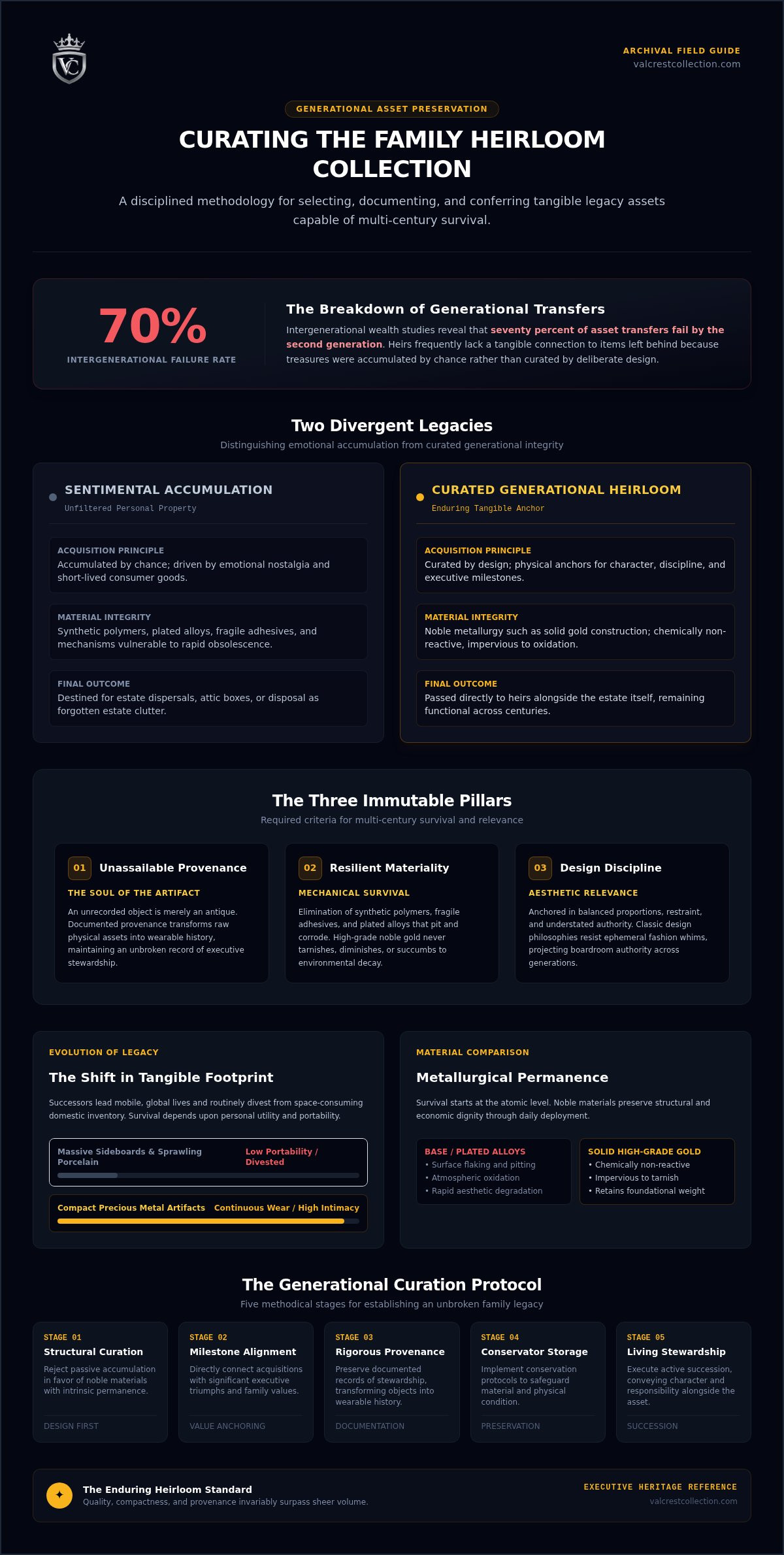
Most family treasures don't survive across generations because they were accumulated by chance rather than curated by design. Intergenerational wealth studies reveal that seventy percent of asset transfers fail by the second generation, often because heirs lack a tangible connection to the items left behind. Understanding how to build a family heirloom collection requires rejecting disposable modern consumerism in pursuit of uncompromising permanence. You likely recognize the difficulty of discerning which contemporary objects possess authentic structural integrity and aesthetic endurance, versus ephemeral novelties destined to become forgotten estate clutter.
A true heirloom serves as a physical anchor for character, discipline, and family history. In this guide, you will discover the disciplined methodology for selecting, acquiring, and preserving heirloom-grade treasures that command respect across centuries. We examine the exacting standards of enduring craftsmanship, the precise framework for documenting multi-generational provenance, and the conservation practices required to ensure your tangible legacy remains unbroken.
Key Takeaways
- Master how to build a family heirloom collection through a disciplined curation methodology that prioritizes structural permanence over passive accumulation.
- Discover why compact, precious metal objects rooted in classical design principles represent the gold standard for wearable, multi-generational preservation.
- Implement a structured acquisition framework that aligns each legacy piece with significant executive milestones and enduring family values.
- Protect the long-term historical and material worth of your collection through rigorous provenance documentation and conservator-grade storage protocols.
- Execute an active succession strategy through intentional living stewardship, transferring responsibility and principles alongside the physical assets.
Understanding the True Heirloom: Purpose, Permanence, and Distinction
An authentic family heirloom is neither an accident of survival nor a repository of indiscriminate nostalgia. It is a deliberate convergence of structural permanence, superior craftsmanship, and living narrative. In classical jurisprudence, the historical definition and history of family heirlooms centered on chattels that passed to the heir alongside the estate itself, distinct from general personal property. True heirlooms function as generational anchors; they carry the character, discipline, and principles of their original stewards into the future. When leaders master how to build a family heirloom collection, they shift from being passive consumers of short-lived goods to proactive architects of a tangible lineage.
The Distinctions Between Sentimental Accumulation and Curated Heirlooms
Estate dispersals often reveal attic spaces crowded with ephemeral possessions that burden descendants rather than honor them. Sentimental accumulation mistakes emotional attachment for enduring value. A curated heirloom, by contrast, possesses intrinsic integrity that commands respect independent of immediate memory. Consider the fundamental differences:
- Intrinsic Material Worth: Curated pieces utilize noble materials that retain both physical structure and economic reality across centuries.
- Artisanal Execution: True generational objects reflect exacting craftsmanship that survives scrutiny under modern standards.
- Functional Relevance: Meaningful items can still be handled, worn, or deployed in formal life, rather than relegated to storage boxes.
Quality invariably surpasses sheer volume. Descendants seldom preserve rambling collections of delicate domestic miscellany; they preserve compact, exceptional treasures that embody ancestral achievement.
The Foundational Pillars: Provenance, Materiality, and Design Integrity
Three immutable criteria govern how to build a family heirloom collection capable of multi-century survival: unassailable provenance, resilient materiality, and uncompromising design discipline. Provenance provides the soul; an unrecorded artifact is merely an antique, whereas a documented piece transforms into wearable history that preserves an unbroken record of executive stewardship.
Materiality dictates mechanical survival. Objects relying on synthetic polymers, fragile adhesives, or fragile mechanisms inevitably decay or succumb to technological obsolescence. High-grade gold construction, by contrast, does not corrode, tarnish, or diminish through the passage of decades. Finally, design integrity ensures aesthetic relevance. Classic British design philosophies, anchored in balanced proportions, restraint, and understated power, resist the cyclical whims of fashion. They establish a permanent standard of personal presentation that looks as authoritative at a grandson's boardroom appointment as it did at the patriarch's initial triumph.
Selecting Core Assets: What Objects Truly Endure for Generations?
Massive mahogany sideboards and sprawling porcelain services once defined ancestral transfers, but modern life demands portability and purpose. Today’s successors lead global, mobile lives; they naturally divest themselves of fragile, space-consuming domestic inventory. When evaluating how to build a family heirloom collection, physical footprint and daily utility dictate whether an object survives or disappears at an estate auction. Compact, personal treasures carry an intimacy that inert household furnishings cannot replicate. Modern digital technology becomes obsolete within seasons, while traditional mechanical instruments and precious metal artifacts retain their mechanical and aesthetic dignity across centuries.
Precious Metals and Metallurgy: The Indestructible Foundation
Structural survival begins with noble metallurgy. Gold remains the premier medium for generational preservation because it is chemically non-reactive; it does not oxidize, tarnish, or suffer environmental decay over centuries of handling. Plated alloys and brass-core fashion accessories inevitably flake, pit, and corrode after minimal wear. Solid gold construction, conversely, retains its weight, luster, and foundational integrity through continuous use. Just as the National Archives guide to preserving family archives outlines strict environmental controls to protect delicate paper and media from degradation, choosing chemically stable precious metals eliminates the threat of atmospheric decay from your tangible assets.
Wearable Legacy: The Case for Fine Cufflinks and Timepieces
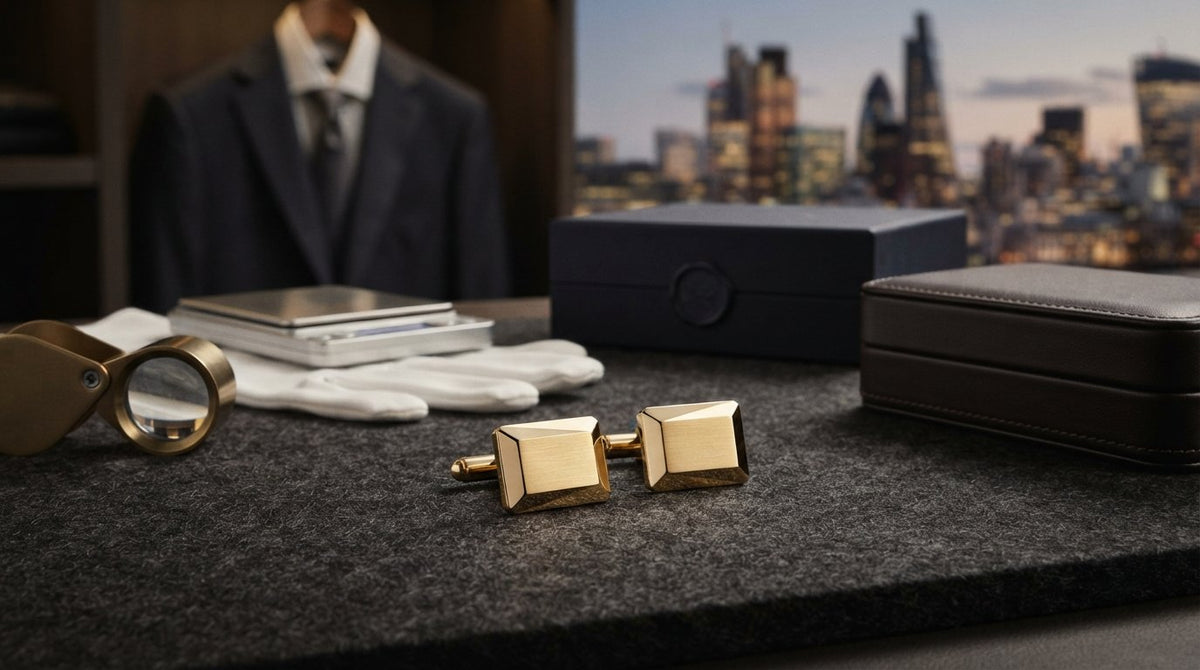
Wearable artifacts represent the most poignant generational bridge. Mechanical watches and fine solid gold cufflinks function as tactile anchors of achievement that descendants can wear to their own decisive boardrooms, weddings, and formal presentations. A classic pair of gold links establishes a dialogue with a mechanical dress watch, creating a unified standard of masculine elegance rooted in British tailoring traditions.
- Effortless Portability: Miniature works of art require minimal storage volume while carrying immense historical significance.
- Direct Physical Connection: Touching an artifact worn by a forebear reinforces familial identity and ancestral expectations.
- Sartorial Permanence: Classic geometry and restrained detailing avoid the obsolescence inherent in modern design trends.
Curating heirloom quality cufflinks provides your heirs with a living link to executive milestones past and present. For those seeking pieces forged to endure across lifetimes, the collections at Valcrest demonstrate how timeless British design principles transform fine gold into wearable history.
A Step-by-Step Framework for Curating Your Family Heirloom Collection
Most estate planning focuses entirely on financial instruments while ignoring tangible physical legacy. Establishing a meaningful ancestral repository requires proactive curation during your peak executive years, long before questions of estate dispersal emerge. True curation demands emotional detachment from mediocrity. It replaces impulsive retail consumption with the patience of an archivist. When discerning leaders examine how to build a family heirloom collection, they implement a systematic methodology that balances aesthetic discipline, material permanence, and personal achievement.
Phase 1 and 2: Establishing Guiding Standards and Auditing Current Assets
Begin with a clinical audit of your current possessions. Examine every candidate through a rigorous lens: evaluate mechanical integrity, purity of materials, and historical dignity. Eliminate mass-produced items, electronic novelties, and delicate objects incapable of surviving daily handling across generations.
- Define the Aesthetic Code: Mandate timeless architectural lines and classic proportions, avoiding trend-driven seasonal styling.
- Verify Structural Purity: Prioritize unblemished solid noble metals, hand-finished hardwoods, and fine mechanical movements.
- Apply Institutional Safeguards: Follow the Library of Congress collections care standards by auditing items for stability against light exposure, heat, and moisture fluctuations.
A focused collection containing three exceptional pieces outweighs dozens of compromised items. Curation is fundamentally an exercise in deliberate restraint.
Phase 3 and 4: Milestone Acquisitions and Rejecting Transient Novelty
Heirlooms gain authentic weight when tied to substantive personal and professional triumphs. Never purchase a generational piece out of casual boredom. Anchor each new acquisition directly to a defined inflection point: founding an enterprise, securing a major partnership, solemnizing a marriage, or celebrating the birth of a successor.
Selecting pieces such as executive gold cufflinks grounds profound career peaks in permanent, wearable form. Such objects serve as personal monuments that remind the wearer of the discipline required to achieve success. Reject high-depreciation designer goods that rely on external branding rather than intrinsic metallurgical mastery. When mastering how to build a family heirloom collection, commit exclusively to singular, exceptional assets that will command reverence from an heir decades after your tenure concludes.
Preserving Provenance: Documenting and Storing Generational Treasures
An heirloom without documented provenance is merely an orphaned curiosity. Without historical context, even the finest solid gold piece risks being liquidated for its raw melt value by unbriefed successors or indifferent executors. True stewardship requires matching the physical permanence of an object with an equally permanent narrative record. Understanding how to build a family heirloom collection means treating the lore and accomplishments behind each piece with the same reverence as the metal itself. Provenance bridges the gap between intrinsic metallurgical worth and familial duty; it ensures future generations recognize the character and enterprise required to earn the treasures they now hold.
Constructing the Lineage Ledger: Recording Milestones and Lore
Create a bound, physical ledger that permanently pairs each acquisition with its historical context. Ephemeral digital notes and cloud documents frequently disappear across generational handoffs due to obsolete formats and forgotten passwords.
- Chronicle the Inflection Point: Record the specific date, executive victory, or family milestone that prompted the commission or purchase.
- Archive Verification Materials: Store assay certificates, original maker receipts, and hallmarking registers within acid-free archival enclosures.
- Articulate the Standard: Transcribe the foundational principles and expectations you expect the next guardian to uphold while wearing or maintaining the piece.
Binding personal lore directly to physical craft elevates a handsome possession into an irreplaceable family relic.
Archival Storage Protocols and Material Maintenance
Fine gold artifacts and mechanical pieces require preservation environments that safeguard both their metallurgical finish and functional integrity. Store gold adornments individually within velvet- or suede-lined presentation cases to eliminate friction and surface abrasion. Avoid storing generational assets in unconditioned attics or damp basements where environmental humidity fluctuates; stable, climate-controlled environments prevent mechanical degradation of hinges and clasps.
Establish a periodic inspection ritual. Inspect mechanical joints and solid gold closures every twelve months to ensure structural resilience remains absolute. Handle these artifacts intentionally, teaching successors that preservation is an active duty rather than a passive chore. If you are ready to anchor your family history with pieces forged to meet these exacting standards, explore the Valcrest portfolio of heirloom-grade gold cufflinks crafted for enduring generational succession.
Conferring the Legacy: Stewardship, Presentation, and Generational Succession
Legal wills and probate proceedings represent the coldest possible medium for transferring family treasures. Relegating the bestowal of generational assets to an estate settlement strips the moment of its soul. An authentic succession is an active ceremony; it transfers leadership, discipline, and principles from a mentor to an heir during life. When leaders master how to build a family heirloom collection, they view physical objects as instruments of living stewardship. Passing an artifact while you can still articulate its lessons transforms a simple possession into an enduring personal charge.
Milestone Conferral: Ceremonies of Transition and Leadership
Timing the presentation of a generational piece demands the same discernment as its initial acquisition. Bestow foundational pieces during definitive rites of passage: an inaugural board appointment, university graduation, the founding of an enterprise, or a matrimonial ceremony.
- Define the Heritage: Articulate the character, discipline, and sacrifices represented by the piece at the moment of conferral.
- Transfer Stewardship: Emphasize that the recipient is not merely an owner, but a temporary custodian tasked with passing the piece forward intact.
- Deliver the Ledger: Present the object alongside its archival documentation so the recipient immediately assumes responsibility for maintaining its recorded history.
These intentional rites forge an emotional bond that legal distribution can never match.
The Valcrest Tradition: Artifacts Engineered for Immortality
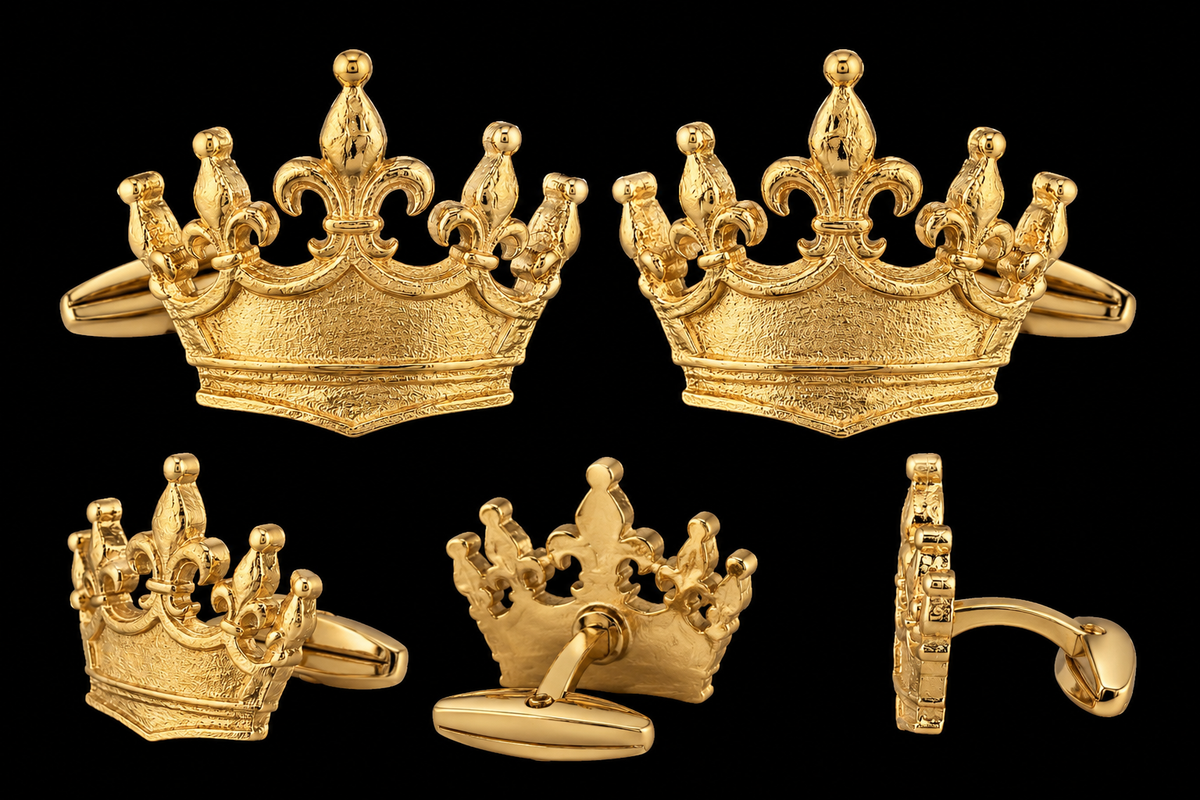
Selecting objects engineered to carry familial expectations requires steadfast adherence to timeless British design principles. The Executive Crown Cufflinks stand as quintessential symbols of quiet authority, designed to anchor formal attire with understated gravity. Each pair serves as an executive anchor, turning daily presentation into an active reminder of personal standard. Similarly, The Founder’s Edition and the Heritage Collection represent foundational generational treasures, uniting pure high-grade gold construction with balanced architectural proportions.
These pieces resist the ephemeral trends of modern luxury. They don't yield to wear or changing fashion; they simply accumulate history. When considering how to build a family heirloom collection rooted in excellence, choosing objects built to outlast eras ensures that your descendants carry your standard forward with pride. Discover refined pieces designed to endure generations at Valcrest, and establish the tangible foundations of your family tradition.
Architecting a Tangible Lineage That Endures
A lasting legacy isn't left to chance; it's forged through deliberate curation, uncompromising standards, and active stewardship. True generational permanence demands noble metallurgy that naturally defies decay, paired with recorded provenance that keeps foundational values vivid. Ultimately, mastering how to build a family heirloom collection transforms individual achievement into an unbroken chain of family pride and executive excellence.
By investing in compact, wearable treasures and conferring them during pivotal milestones, you provide your successors with a tactile anchor of character and leadership. These pieces don't simply mark past triumphs; they establish an aesthetic and moral standard for the leaders who follow in your footsteps. Discover the enduring craftsmanship of the Valcrest collection, where time-honored British design traditions and fine gold construction unite to create wearable history engineered to outlive generations.
Frequently Asked Questions
What makes an object a genuine family heirloom rather than a vintage item?
A genuine family heirloom is defined by documented provenance and familial succession rather than mere chronological age. While a vintage item simply reflects a bygone commercial era or collectible market trend, an heirloom carries an unbroken record of ancestral achievement and values. It combines noble materials, superior craftsmanship, and personal narrative, ensuring the object functions as an active bridge across generations rather than inert estate clutter.
How many items should a family heirloom collection ideally contain?
An effective collection focuses on restraint and quality over volume. Maintaining three to five exceptional, highly curated pieces is far superior to accumulating dozens of fragile or secondary items. Leaders mastering how to build a family heirloom collection recognize that successors readily preserve compact, meaningful treasures that integrate seamlessly into their professional lives, whereas sprawling assortments often face liquidation during estate transitions.
Why is solid gold preferred for wearable generational heirlooms?
Solid gold provides permanent chemical stability because it does not oxidize, tarnish, or corrode over centuries of wear. Base metals and plated jewelry inevitably flake and degrade, losing both structural integrity and aesthetic value. High-grade gold construction withstands daily friction while retaining its intrinsic metallurgical worth, making it the premier medium for wearable history that descendants can wear with confidence.
How do you document the history and provenance of a family heirloom?
Provenance is best preserved through a dedicated physical ledger stored alongside the artifact in acid-free archival enclosures. Record the exact date of acquisition, the professional or personal milestone it commemorates, and the maker credentials or hallmarking data. Documenting the foundational values and expectations associated with the piece ensures its narrative weight remains intact, preventing future generations from mistaking a historic treasure for ordinary personal property.
Can modern luxury pieces become authentic heirlooms for future generations?
Yes, modern acquisitions become authentic heirlooms provided they reject ephemeral fashion trends in favor of classical design and durable construction. When exploring how to build a family heirloom collection today, look for pieces grounded in timeless British design traditions and pure precious metals. Objects like fine gold cufflinks engineered without delicate adhesives or synthetic parts possess the structural permanence required to outlast generations.
When is the appropriate time to pass an heirloom down to the next generation?
Conferring an heirloom during life at a pivotal milestone creates a far more powerful bond than bequeathing it through a post-mortem will. Ideal occasions include executive promotions, the founding of a new venture, marriages, or major academic graduations. This active presentation allows the mentor to articulate the duties of stewardship, sharing personal context while observing the successor wear and honor the piece.
How should fine gold cufflinks and luxury accessories be stored to prevent damage?
Store fine gold accessories individually in dedicated presentation cases lined with soft, non-abrasive textiles like suede or velvet. Individual compartments prevent pieces from striking each other, eliminating surface scuffs and mechanical wear on closures. Maintain these cases in climate-controlled environments with stable humidity to safeguard the integrity of internal mechanisms, avoiding unconditioned attics or damp basements where environmental swings accelerate physical wear.