Deakin and Francis vs Tateossian: Which Cufflinks Suit You
Table of Contents
- Deakin and Francis vs Tateossian: An Overview
- Deakin & Francis Cufflink Quality and Heritage
- Tateossian Cufflink Quality and Design Philosophy
- Traditional Cufflink Designs: Which Brand Delivers
- Modern Cufflink Designs: Contemporary Options Compared
- Materials, Craftsmanship, and Durability
- Choosing Between the Two: What Matters Most
- Frequently Asked Questions
Last Updated: October 11, 2026
Deakin and Francis vs Tateossian: An Overview
When you're investing in cufflinks that will outlast trends, the choice between heritage brands matters. Deakin and Francis and Tateossian represent two distinct philosophies in men's fine accessories, one rooted in British tradition, the other in contemporary innovation. Both command respect in luxury markets, yet they appeal to different sensibilities. Understanding how Deakin and Francis vs Tateossian differ helps you choose pieces that align with your style, values, and how you actually wear cufflinks.
This comparison examines design approaches, craftsmanship, materials, and pricing to help you choose between these brands.
Younger professionals now view cufflinks as personal statements rather than formality. Deakin & Francis leans into heritage; Tateossian embraces contemporary design. This distinction shapes which pieces suit your wardrobe and how they age.
Deakin & Francis Cufflink Quality and Heritage
Deakin & Francis operates from a position of unshakeable tradition. The brand draws on decades of British craftsmanship, positioning itself as the choice for men who respect established conventions. Their cufflinks emphasize classic silhouettes, restrained design language, and materials that speak for themselves, primarily sterling silver with selective use of enamel and precious metals.
The quality foundation here is solid. Deakin & Francis maintains consistent manufacturing standards with hand-engraving for personalization. The heritage positioning promises relevance across decades, appealing to collectors and those purchasing heirlooms.
Deakin & Francis emphasizes restraint, quiet symbols of personal standard that appeal to corporate executives who view cufflinks as part of a disciplined uniform rather than fashion statements.
This conservatism limits appeal for buyers seeking contemporary design or bold colour combinations.
Tateossian Cufflink Quality and Design Philosophy
Tateossian embraces colour, texture, and contemporary aesthetics with bolder designs, adventurous material combinations, and varied finishes, polished, matte, and textured.
Tateossian invests in design innovation and material exploration, incorporating resin accents, mixed metals, and geometric forms. This appeals to younger professionals and creative industries who view cufflinks as personal style extensions.
Tateossian designs pieces flexible enough for weddings and creative events, distinctive enough to spark conversation, refined enough for formal wear.
The downside: broader design ranges require more vigilance in quality control, and not every bold choice ages gracefully.
Traditional Cufflink Designs: Which Brand Delivers
Traditional cufflinks emphasize symmetry, restraint, and timeless appeal. Both brands offer traditional designs, but execution and product positioning reveal meaningful differences.
Deakin & Francis Traditional Range
Deakin & Francis dominates traditional design with geometric forms, monograms, and subtle enamel accents in sterling silver. Signature offerings include commissioned crest cufflinks and plain polished pairs, pieces designed to signal familiarity with formal dress codes.
Deakin & Francis traditional cufflinks appeal to buyers seeking unambiguous heritage. They feel authoritative in boardrooms and black-tie events, a known quantity that won't surprise you with trendy elements.
Traditional pieces reflect hand-finishing and engraving. Value centres on longevity and predictability, pieces that won't feel dated because they weren't tied to contemporary trends.
Tateossian Traditional Interpretation
Tateossian's traditional designs introduce unexpected texture, material mixing, or finish variations, geometric forms paired with matte finishes or sterling silver combined with resin accents.
Tateossian's traditional pieces work if you want tradition with personality, signalling intentional choice rather than defaulting to expectations.
Tateossian's traditional range emphasizes design distinctiveness and material innovation alongside craftsmanship.
Direct Comparison for Traditional Buyers
For formal occasions where blending seamlessly matters, Deakin & Francis delivers with confidence, designs that won't surprise or feel out of place.
For tradition with contemporary refinement, Tateossian's traditional pieces reinterpret formality through a modern lens.
Trade-off: Deakin & Francis designs age invisibly; Tateossian designs age visibly as trends shift. For heirlooms or decades-long wear, Deakin & Francis offers more assurance. For seasonal rotation, Tateossian feels fresher longer.
Modern Cufflink Designs: Contemporary Options Compared
Modern cufflink design splits into two camps: those that reinterpret heritage through contemporary eyes, and those that abandon heritage entirely.
Tateossian owns the contemporary space. Their modern designs feature bold colours, unconventional materials, and silhouettes that feel fresh rather than inherited. A Tateossian modern cufflink might incorporate resin, feature asymmetrical forms, or play with surface finishes in ways traditional jewellery rarely does. These pieces work for men who view cufflinks as accessible luxury, beautiful objects that enhance daily or occasional wear without requiring formal justification.
Deakin & Francis enters the modern category cautiously. They'll introduce new colour options or subtle design refinements, but always within a framework of restraint. Their "modern" designs feel like evolutionary updates rather than new breaks from tradition. This approach appeals to men who want contemporary relevance without abandoning the values Deakin & Francis represents.
The real distinction: Tateossian modern designs make statements. Deakin & Francis modern designs make subtle adjustments. Neither is wrong, they serve different purposes and different personalities. A man attending creative industry events might gravitate toward Tateossian's boldness. A corporate executive might prefer Deakin & Francis's measured updates to tradition.
Materials, Craftsmanship, and Durability
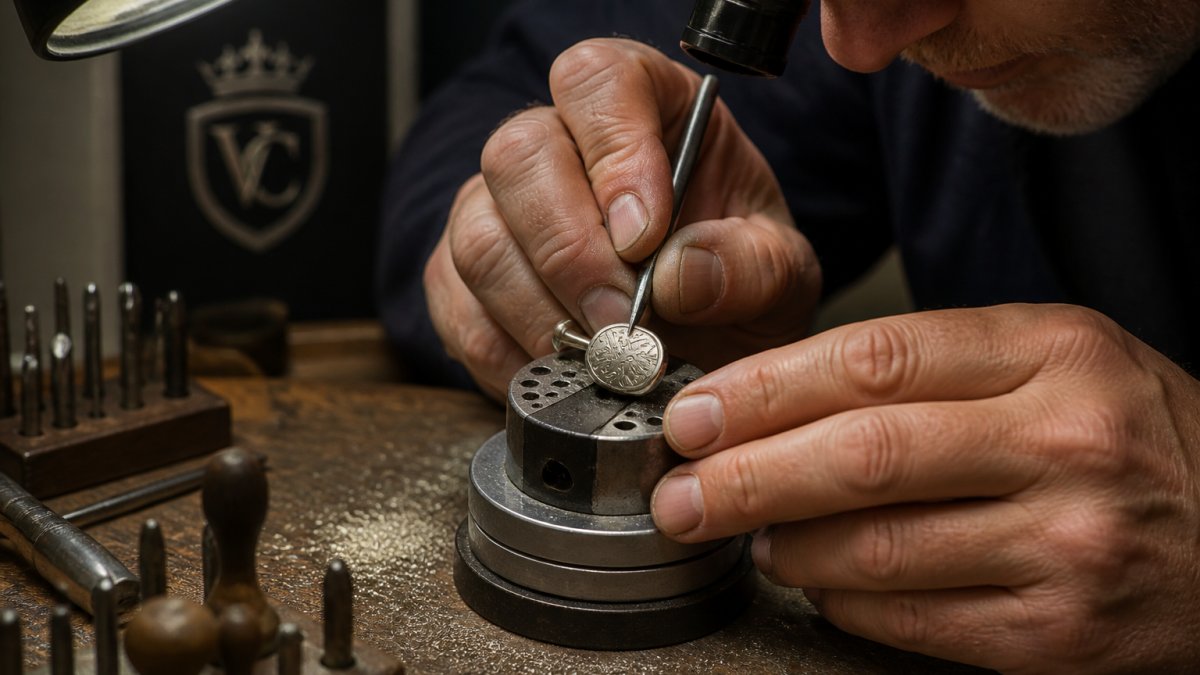
Both brands commit to sterling silver as their primary material, which immediately signals quality. Sterling silver offers durability, tarnish resistance with proper care, and the ability to accept hand-engraving and detailed finishing. This is where Deakin and Francis vs Tateossian choices converge, both understand that material foundation matters.
The differences emerge in secondary materials and finishing techniques. Deakin & Francis favours traditional enamel work and selective precious metal accents. Their vermeil options provide warmth without full gold pricing. The craftsmanship emphasis falls on execution precision, clean lines, consistent finishing, reliable post mechanisms that won't bend under normal wear.
Tateossian experiments more aggressively with material combinations. Resin accents, mixed metal finishes, and textured surfaces appear regularly in their collections. This requires different manufacturing approaches and quality control protocols. The craftsmanship here emphasizes design realisation, making unconventional material pairings work cohesively and durably.
Durability comparisons favour both brands equally for basic use. A well-made cufflink from either brand will outlast casual wear indefinitely. The distinction appears in edge cases: if you wear cufflinks daily, Deakin & Francis's conservative designs age more predictably. If you rotate pieces seasonally, Tateossian's contemporary designs maintain relevance longer because they weren't tied to specific heritage aesthetics.
Hand-engraving quality varies within each brand but generally favours Deakin & Francis for consistency. Their engravers work within established parameters, which produces reliable results. Tateossian's engraving services exist but feel secondary to their design-forward positioning. If personalisation through engraving matters significantly, Deakin & Francis delivers more assurance.
Choosing Between the Two: What Matters Most
The decision between Deakin and Francis vs Tateossian ultimately reflects how you view cufflinks themselves and how you plan to own them. Beyond aesthetics and craftsmanship philosophy, practical ownership factors, warranty coverage, repair access, care requirements, and resale considerations, shape the true cost of ownership.
Design Philosophy and Wearing Patterns
If you prioritize tradition, consistency, and heritage storytelling, Deakin & Francis aligns with those values. Their pieces work across decades and contexts. A Deakin & Francis cufflink from 1990 looks as appropriate today as a new purchase. This appeals to collectors, to men building heirlooms, and to professionals in conservative industries where predictability matters.
If you value design innovation, contemporary aesthetics, and the ability to signal personal taste through accessories, Tateossian delivers. Their pieces feel current. They work in creative industries and for younger professionals redefining what professional dress means. You're not abandoning formality; you're reinterpreting it.
Consider your wearing patterns. If cufflinks emerge once or twice yearly for weddings and formal events, either brand works equally well, the choice becomes purely aesthetic. If you wear cufflinks regularly or seasonally, Deakin & Francis's conservative designs feel safer; they won't feel dated in two years. Tateossian's contemporary pieces might, depending on how adventurous the design proves.
Warranty, Repair, and After-Sales Support
Both brands offer sterling silver and precious metal pieces designed for longevity, but their after-sales policies differ in practical ways.
Deakin & Francis typically provides standard jewellery warranties covering manufacturing defects, usually for 12 months from purchase. More importantly, their heritage positioning means repair and restoration services are readily available through established jewellers familiar with their designs. Hand-engraving can be refreshed or added later. Worn posts and backs can be replaced. Because their designs follow established conventions, finding replacement parts or skilled craftspeople to service pieces is straightforward.
Tateossian's warranty and repair landscape is less standardized, particularly for pieces incorporating unconventional materials like resin accents or mixed metal finishes. While the brand stands behind manufacturing quality, repairs involving experimental material combinations may require returning pieces to Tateossian directly rather than visiting a local jeweller. This creates longer turnaround times and potentially higher costs.
Care Requirements and Maintenance
Sterling silver cufflinks from both brands require similar baseline care: gentle cleaning with soft cloths, storage away from moisture and harsh chemicals, occasional professional polishing to maintain lustre. Both brands' pieces will tarnish over time if exposed to air and humidity, which is normal and reversible.
Tateossian pieces with resin accents or textured finishes require more cautious care. Resin can be damaged by harsh solvents or aggressive polishing. Textured surfaces trap dust and require gentler cleaning approaches. If you prefer low-maintenance accessories you can toss in a drawer without worry, Deakin & Francis's polished sterling silver pieces are more forgiving.
Price, Value, and Long-Term Ownership
Budget considerations matter for comparable pieces. Quality-per-pound favours neither decisively. You're paying for design philosophy and brand positioning as much as material and craftsmanship.
Deakin & Francis charges for heritage, consistency, and predictable resale value. A pair purchased today will hold value reasonably well because the designs don't feel dated and the brand's reputation is established. If you plan to sell or pass pieces on, Deakin & Francis cufflinks are easier to value and move.
Tateossian charges for innovation and design distinctiveness. Contemporary pieces may appreciate among design-forward collectors but depreciate faster as trends shift. If you're building a personal collection you plan to keep, this matters less. If you view cufflinks as investments or pieces you might eventually sell, Deakin & Francis's conservative positioning offers more predictable value retention.
Making Your Decision
At VALCREST™, we believe the best cufflinks reflect how you actually live and plan to own them. Ask yourself:
- Will I wear these regularly or occasionally? Regular wear favours Deakin & Francis's timeless designs. Occasional wear allows you to enjoy Tateossian's contemporary pieces without worrying about trend cycles.
- Do I need local repair access or am I comfortable shipping pieces back to the brand? Deakin & Francis pieces are easier to service locally. Tateossian pieces may require direct brand support.
- Am I building an heirloom collection or a personal wardrobe? Heirlooms favour Deakin & Francis's predictable heritage. Personal wardrobes can embrace Tateossian's innovation.
- How important is resale value or future tradability? Deakin & Francis pieces hold value more predictably. Tateossian pieces are harder to value on secondary markets.
Neither Deakin and Francis nor Tateossian is universally superior; they're superior to different men in different contexts and with different ownership expectations. The question isn't which brand is better. It's which brand's philosophy, care requirements, and long-term support structure match your actual life.
Frequently Asked Questions
What is the main difference between Deakin and Francis and Tateossian cufflinks?
Deakin and Francis emphasizes traditional British craftsmanship and heritage design rooted in decades of menswear accessory manufacturing. Tateossian focuses on contemporary, often bolder designs that blend modern aesthetics with fine materials. Both use precious metals and quality finishing, but their design philosophies and target customers differ. Deakin and Francis appeals to those seeking classic, timeless pieces, while Tateossian attracts buyers who value distinctive, statement-making cufflinks.
Are Deakin & Francis cufflinks worth the investment?
Deakin & Francis cufflinks are crafted with attention to traditional techniques and durable materials like sterling silver and enamel. Buyers who wear cufflinks regularly to formal events or business settings often find the investment justified over many years of use.
Which brand offers more contemporary cufflink designs?
Tateossian is known for pushing contemporary boundaries with whimsical, artistic, and unconventional designs. Their collection includes modern interpretations of classic forms, bold colour options, and pieces that make a statement. While Deakin and Francis does offer newer collections, their design language remains rooted in traditional menswear aesthetics. If you want modern cufflinks that stand out, Tateossian's range typically provides more contemporary and experimental options.
How do I choose between traditional and modern cufflink designs?
Consider your wardrobe, professional environment, and personal style. Traditional cufflinks work across formal occasions, business settings, and timeless wardrobes, they complement classic suits and dress shirts without competing for attention. Modern designs suit creative professionals, younger executives, or those who attend varied social events where personality matters more than conformity. If you wear cufflinks infrequently or in conservative settings, traditional designs offer safer versatility. If you dress formally often or value self-expression, modern designs let you make a personal statement.