Is Gold Vermeil Worth the Price? A Buyer's Guide
Table of Contents
- What Gold Vermeil Is and How It's Made
- Gold Vermeil vs. Gold-Plated Jewelry: What's the Real Difference
- Gold Vermeil Thickness and Karat: Why These Numbers Matter
- How Long Does Gold Vermeil Last With Regular Wear
- Gold Vermeil Jewelry Care and Maintenance
- Cost Per Wear: Is the Premium Justified
- How to Verify Vermeil Quality Before You Buy
- Conclusion: Making the Right Choice for Your Needs
- Frequently Asked Questions
Last Updated: October 19, 2026
What Gold Vermeil Is and How It's Made
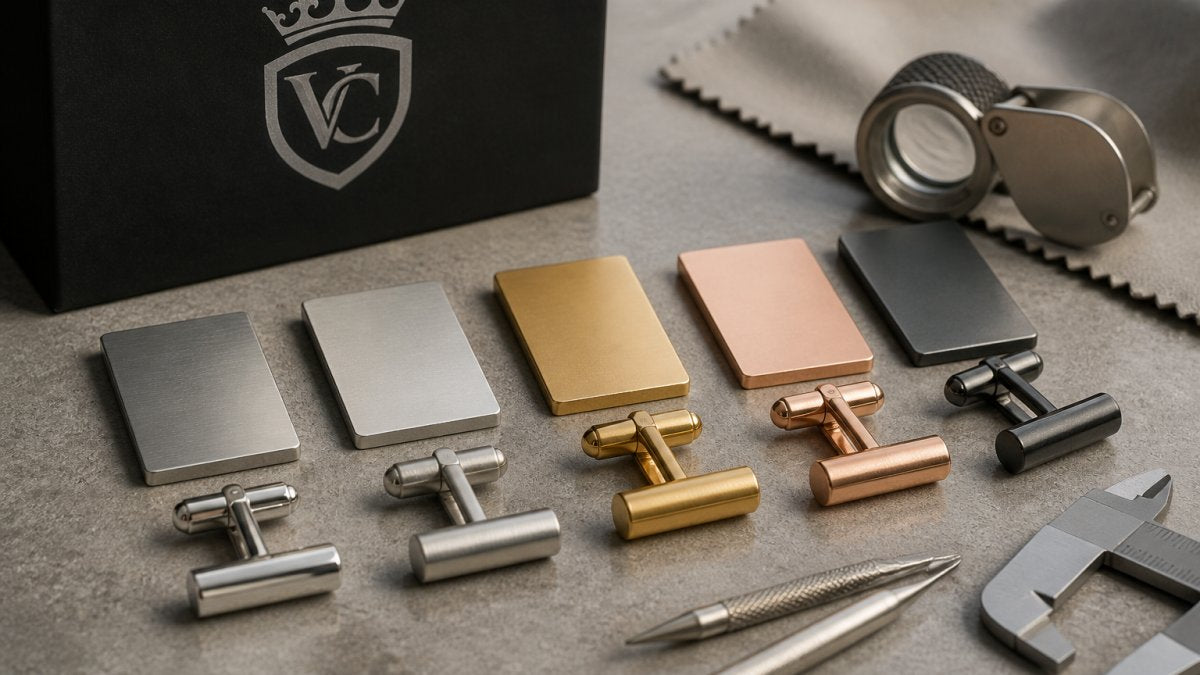
Gold vermeil is sterling silver coated with a layer of gold that's thick enough to withstand regular wear. The process begins with a sterling silver base, at least 92.5% pure silver, which is electroplated with gold of at least 10 karat purity. The gold layer must measure at least 2.5 microns thick to qualify as vermeil under federal standards, though many luxury pieces exceed this minimum considerably.
The manufacturing process matters because it determines durability. Electroplating deposits gold atoms onto the silver surface through an electrical current, creating a bond that's more durable than simple gold plating. The result is jewelry that looks like solid gold but costs a fraction of the price, which raises the question: is gold vermeil worth the price? VALCREST™ pieces exemplify this approach, combining sterling silver bases with substantial gold vermeil layers.
What makes vermeil distinct is the thickness requirement. Gold-plated jewelry often uses base metals like brass or copper with minimal gold coverage. Vermeil demands sterling silver underneath, which means the piece retains value even as the gold layer eventually wears. This distinction is crucial for understanding whether the premium is justified.
Gold Vermeil vs. Gold-Plated Jewelry: What's the Real Difference
The fundamental difference lies in the base metal and gold layer thickness. Gold-plated jewelry uses cheaper base metals, typically brass, copper, or nickel, with a thin gold coating, often less than 1 micron thick. Gold vermeil uses sterling silver with a substantially thicker gold layer, meeting the legal minimum of 2.5 microns.
This distinction has real consequences for longevity. Gold-plated jewelry typically shows wear within months of regular use. The thin gold coating flakes or scratches away, exposing the base metal beneath, which can tarnish, discolor, or trigger allergic reactions in people with sensitive skin. Vermeil, by contrast, can last years with proper care because the thicker gold layer provides genuine protection.
Cost reflects this difference. Gold-plated pieces might cost $20-50, while comparable vermeil jewelry ranges from $100-300 depending on design complexity and gold purity. The price gap exists because vermeil offers something gold-plated cannot: longevity and a valuable underlying material. When the gold eventually wears through on a vermeil piece, you still own sterling silver worth replating or melting down. With gold-plated jewelry, you own worthless base metal.
Consider the use case. If you need inexpensive costume jewelry for occasional wear, gold-plated works. If you want something that will last and maintain value, vermeil is the better choice. This is where the question of whether is gold vermeil worth the price begins to clarify, as it depends entirely on your expectations for durability and what happens when the gold wears away.
Gold Vermeil Thickness and Karat: Why These Numbers Matter
Two specifications determine how long gold vermeil lasts: the thickness of the gold layer and its purity. Gold layer thickness is measured in microns (one-thousandth of a millimeter). Purity is expressed in karats, with 14K and 18K being most common for vermeil.
The 2.5-micron federal minimum is a baseline, not a target. Many quality vermeil pieces use 5-10 microns of gold, which significantly extends the lifespan before replating becomes necessary. The thicker the layer, the longer the piece will look new under regular wear.
Karat purity also affects durability. 14K gold is 58.3% pure gold mixed with harder alloys, making it more durable than 18K (75% pure). 18K gold is softer and more prone to scratching, though it appears richer in color.
Reputable sellers specify both measurements. If a seller lists only "gold vermeil" without mentioning thickness or karat, ask directly. The answer reveals whether they're confident in their product or hiding substandard specifications. Pieces from established luxury brands publish these details because they stand behind their craftsmanship.
How Long Does Gold Vermeil Last With Regular Wear
Realistic lifespan depends on three factors: gold layer thickness, karat purity, and how you wear the piece.
The word "regular" matters. Daily wear means wearing the piece several hours a day, every day. This includes exposure to water, sweat, friction from clothing, and contact with other surfaces. Occasional wear, a few times per month at formal events, extends lifespan dramatically.
Certain activities accelerate wear. Swimming, showering, and hand-washing expose vermeil to repeated moisture and friction. Gym workouts introduce sweat, which contains salt and acids that can corrode gold and silver. Contact sports or rough manual work damages the surface through abrasion.
The underlying sterling silver outlasts the gold layer. This is the hidden advantage of vermeil over gold-plated jewelry. Once the gold wears through, you can have the piece replated, and it looks new again. A quality vermeil piece can be replated multiple times over decades, effectively extending its life indefinitely as long as the sterling silver base remains intact.
Gold Vermeil Jewelry Care and Maintenance
Proper care extends the lifespan of gold vermeil significantly. The goal is minimizing exposure to moisture, friction, and harsh chemicals that accelerate wear.
Remove vermeil jewelry before showering, swimming, or exercising. Water alone doesn't damage vermeil, but prolonged exposure combined with friction and sweat accelerates gold layer thinning. The same applies to hand-washing, remove your pieces first. This simple habit can double the lifespan of daily-wear vermeil.
Store pieces in a cool, dry place away from direct sunlight. A jewelry box with soft fabric lining works well. Avoid storing vermeil with other jewelry that might scratch it. If you stack pieces, separate them with soft cloth or tissue paper. Some people use silica gel packets in their storage to reduce humidity, which helps prevent tarnish on the underlying silver.
Clean vermeil gently. Use a soft, lint-free cloth to wipe the surface regularly. For deeper cleaning, mix warm water with mild dish soap, soak the piece for a few minutes, then gently scrub with a soft brush. Rinse thoroughly and dry immediately with a soft cloth. Never use abrasive cleaners, ultrasonic cleaners, or steam, these damage the gold layer.
Avoid contact with lotions, perfumes, and cosmetics. These contain chemicals that can tarnish silver and dull gold. Apply these products, let them dry, then put on your jewelry. This prevents buildup that accelerates wear.
Cost Per Wear: Is the Premium Justified
This is where the decision becomes personal. Cost per wear is a useful framework for evaluating whether the premium price makes sense.
But cost per wear depends on how long you keep the piece and how often you wear it.
But this math ignores the intangible value. A vermeil piece from a respected brand like VALCREST™ carries aesthetic and emotional weight that disposable jewelry doesn't. These pieces are designed to last decades or generations, making them suitable as gifts or heirlooms. A gold-plated piece destined for the trash within two years cannot claim that status.
The premium is justified if you value longevity, the ability to repair rather than replace, and owning something with lasting material value. It's not justified if you wear jewelry occasionally, prefer changing styles frequently, or have no interest in keeping pieces long-term.
How to Verify Vermeil Quality Before You Buy
Verification begins with the seller's transparency. Legitimate vermeil brands publish specifications: gold layer thickness in microns, karat purity, and sterling silver percentage. If this information isn't readily available on the product page or in product documentation, contact the seller directly.
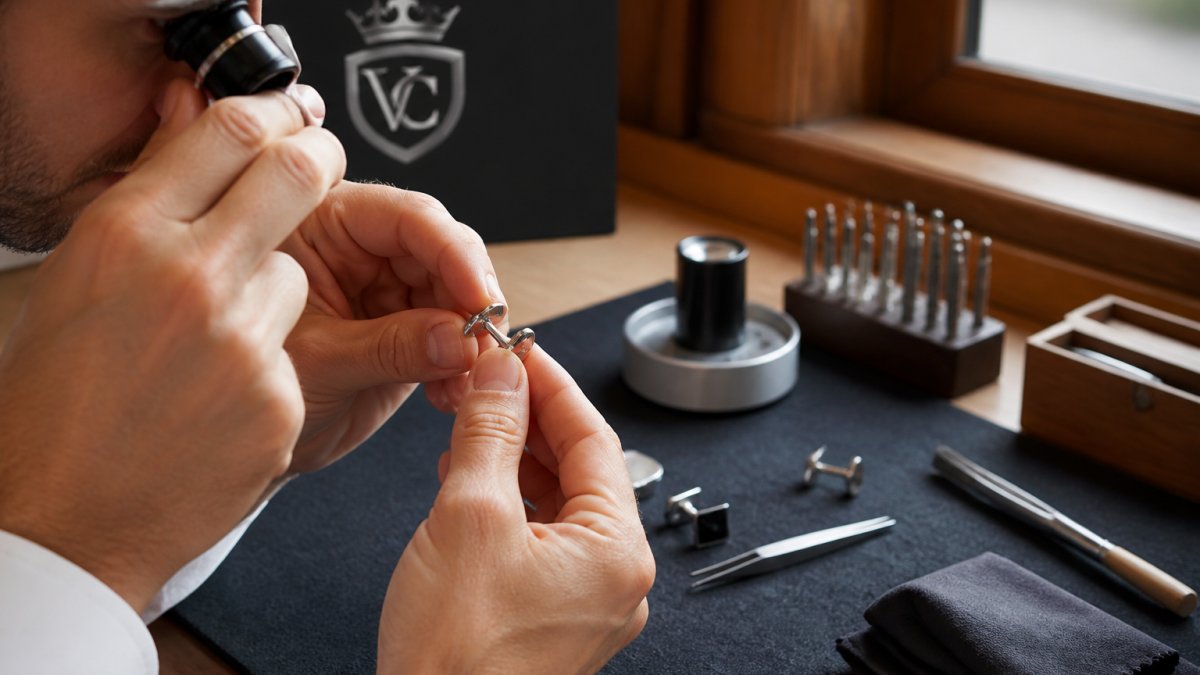
Check for hallmarks. Legitimate vermeil carries stamps indicating sterling silver content (usually "925" or ".925") and sometimes the maker's mark. These stamps are small but visible under magnification. Absence of hallmarks is a warning sign, many counterfeit or misrepresented pieces lack proper marking.
Request third-party testing if you're purchasing a significant piece. Some sellers offer certificates from independent labs confirming gold layer thickness and purity. For pieces under $200, this is rare, but for higher-end items, it's reasonable to ask.
Research the brand's reputation. Established luxury brands have consistent quality standards and customer reviews documenting real-world durability. New or unknown sellers may cut corners. Read reviews specifically mentioning how long the gold layer lasted before fading.
Ask about the base metal. The seller should confirm it's sterling silver (92.5% pure). If they're vague or mention other metals, it's not true vermeil. Some sellers misrepresent gold-plated costume jewelry as vermeil to justify higher prices, this is the most common deception in the market.
Finally, compare pricing against established brands.
Conclusion: Making the Right Choice for Your Needs
Whether gold vermeil is worth the price depends on your expectations and how you'll use the piece. If you want jewelry that lasts years rather than months, that can be repaired rather than discarded, and that carries genuine material value, vermeil justifies the premium over gold-plated alternatives.
The comparison to solid gold is different. Solid gold costs 3-10 times more than vermeil but offers permanence, it will never need replating and never tarnish. For pieces you plan to wear for decades and pass to the next generation, solid gold might be the better investment. For pieces you'll wear regularly but aren't ready to commit to solid gold pricing, vermeil is the practical middle ground.
Consider your lifestyle. If you wear jewelry occasionally to formal events, vermeil lasts indefinitely. If you wear jewelry daily through workouts, swimming, and manual work, even quality vermeil will fade faster. Match the material to your actual use case rather than aspirational wear patterns.
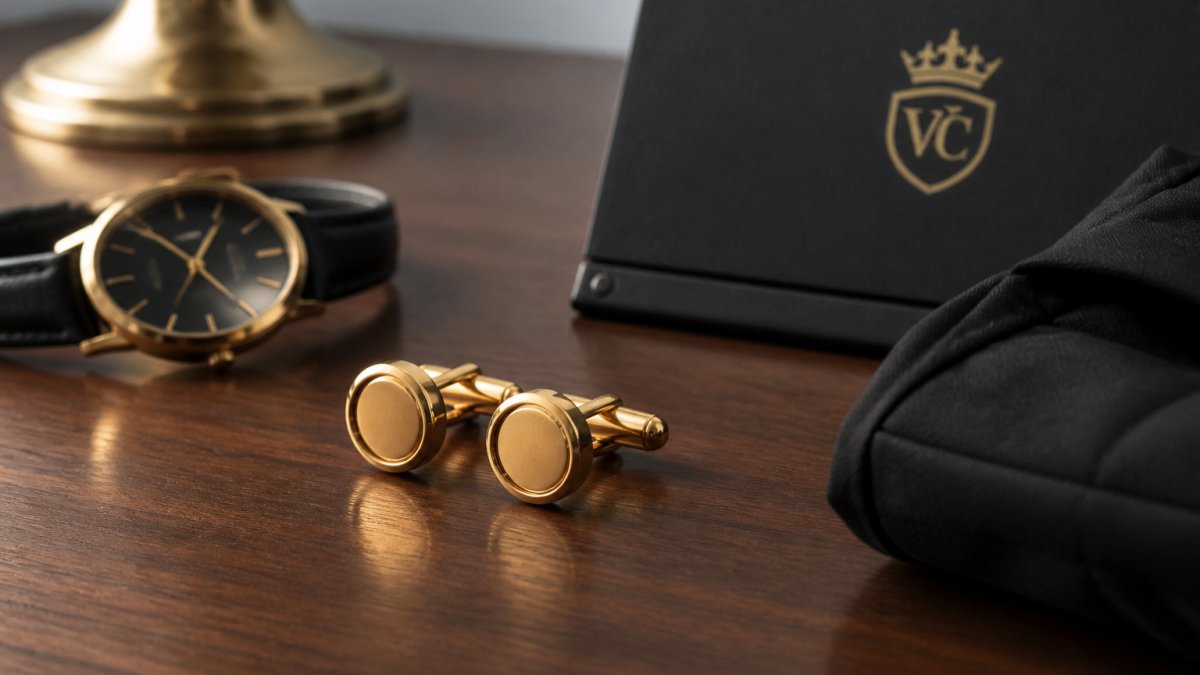
VALCREST™ cufflinks exemplify vermeil done well, substantial gold layers over sterling silver bases, designed for the professional who values pieces that endure. The investment makes sense if you're building a collection of accessories meant to last decades, to be worn at important moments, and to signal discipline and refined taste.
Frequently Asked Questions
Is gold vermeil worth the price compared to gold-plated jewelry?
Gold vermeil justifies its higher cost through superior durability and composition. The 2.5-micron minimum gold layer over sterling silver base means vermeil withstands daily wear far better than gold-plated jewelry, which typically uses brass or nickel bases with thinner plating. For pieces you'll wear frequently or pass down, vermeil offers better longevity. If you wear cufflinks occasionally, gold-plated may suffice; for regular wear or heirloom pieces, vermeil's premium reflects real durability differences.
How long does gold vermeil last with regular wear?
The lifespan of gold vermeil depends on care and activity level. The sterling silver base remains intact even after gold plating wears through, allowing for replating rather than replacement. Factors affecting lifespan include water exposure, friction against clothing, and how often you clean them. Proper storage and avoiding harsh chemicals extends durability considerably.
Can gold vermeil jewelry be replated?
Yes, gold vermeil can be replated, which is a significant advantage over gold-plated pieces. Once the gold layer wears through, a jeweler can replate the sterling silver base with fresh gold, restoring the piece to like-new condition at a fraction of the original cost. This replating capability makes vermeil pieces effectively renewable, supporting the investment case for heirloom-quality cufflinks. Replating costs vary by jeweler and piece complexity, but it's substantially cheaper than buying new jewelry.
How do I know if gold vermeil is good quality before buying?
Look for hallmarks indicating sterling silver base (925 mark) and verify the gold layer thickness, reputable makers disclose whether plating meets the 2.5-micron minimum. Check the supplier's reputation and craftsmanship details; established independent brands provide transparent manufacturing information. Examine product photos for consistent finish and quality construction. Request documentation of materials and ask whether the piece is replatable. Avoid unmarked pieces or sellers unwilling to specify composition and plating thickness.
The decision ultimately comes down to this: Are you buying jewelry to replace every few years, or are you investing in pieces meant to become part of your uniform for life? Gold vermeil answers that question affordably. It's not the cheapest option, but it's not the most expensive either. It's the choice for someone who understands that some things are worth buying well.